Direct answer
How do lot clearing and brush clearing differ?
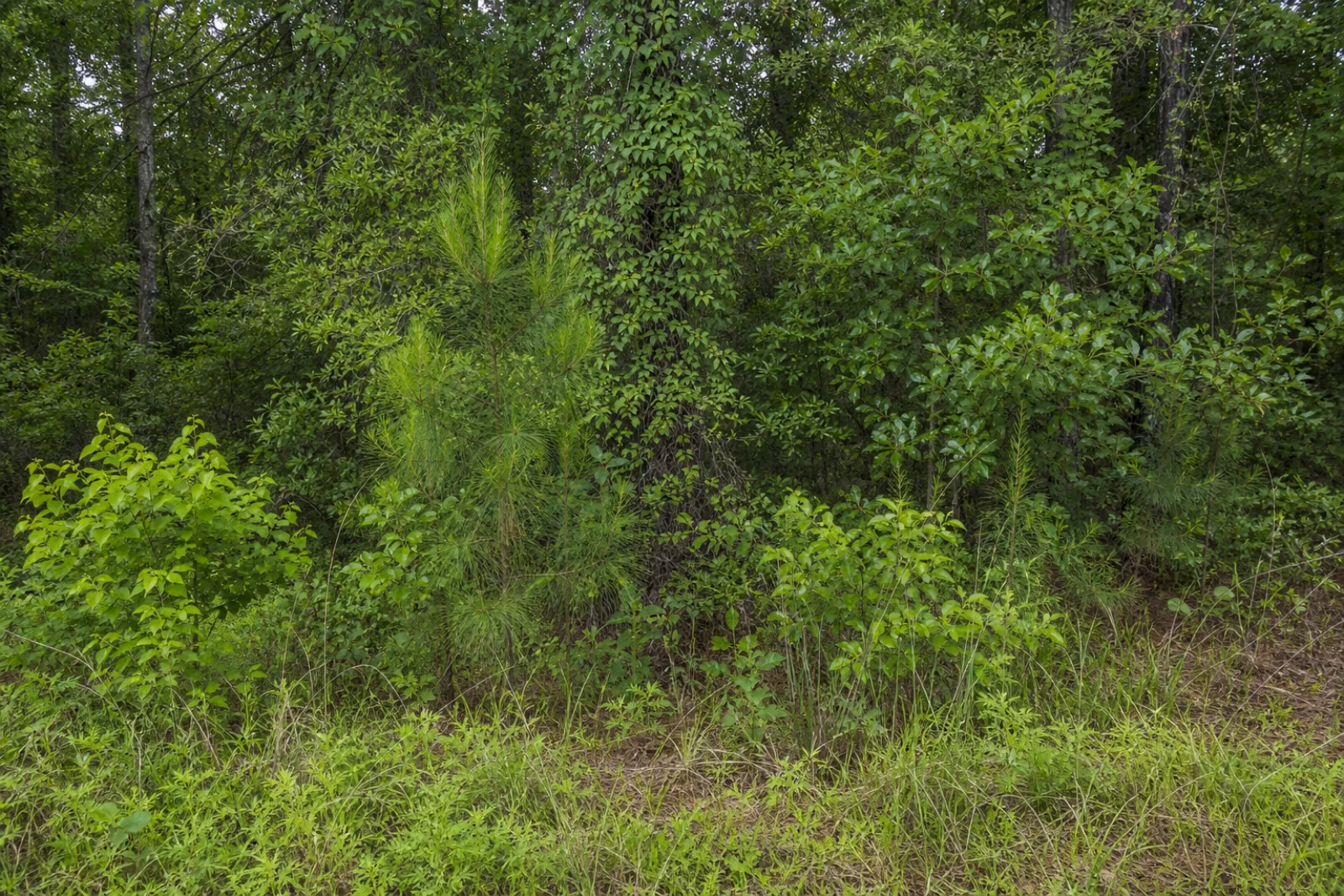
Brush clearing usually targets overgrowth, understory, vines, and smaller vegetation, while lot clearing may include larger removals, stump or root work, debris handling, and a defined end use. The provider’s written scope—not the service label—determines what work is included.
Mark what stays and what changes
Photograph representative areas, corners, access points, fences, drainage paths, and vegetation you want preserved. Do not mark unknown property boundaries as final; use a survey or qualified professional where location matters.
- Selective visibility or access
- Fence-line recovery
- Understory reduction
- Defined clearing envelope
Original planning diagram — not a survey, diagnosis, permit decision, or site plan.
Know the exclusions
This referral path is not for routine mowing, junk hauling, tree trimming only, job seekers, vendors, or parcels outside a provider’s stated territory and capacity.
Describe limits a crew can verify on site
Use photos and a simple parcel sketch to show the intended opening, retained trees or privacy screen, fence lines, drainage paths, structures, and access points. State whether the goal is visibility, routine access, fire-lane or fence access, selective thinning, or a later construction handoff.
Ask who marks the work limits, how uncertain boundaries are handled, what vegetation sizes are excluded, and how debris, stumps, and roots are treated. Routine mowing, junk hauling, and tree trimming alone are outside this referral path and should not be hidden inside a clearing request.
Questions landowners ask
Can I request selective clearing?
Yes. Identify retained areas and the desired opening, then ask a provider how those limits should be marked before work.
Is debris hauling included?
Never assume it. Request a written debris plan covering mulch, piles, hauling, burning, stumps, and disposal.
Can a provider quote brush clearing from photos?
Photos can support an initial conversation, but they may not show access, slope, soft ground, hidden debris, vegetation density, or the full work limits. The provider decides whether an on-site review is required.